




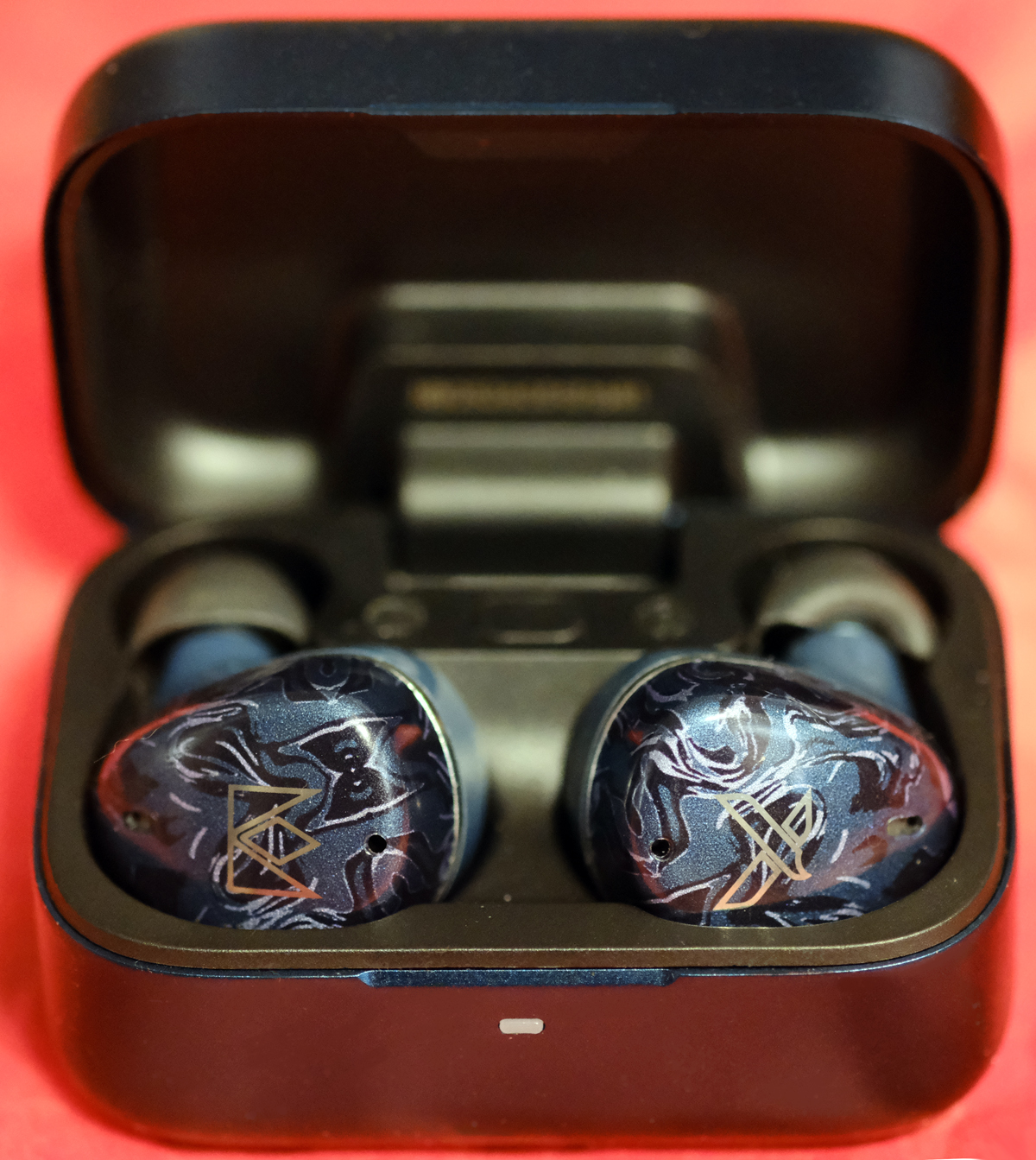
The Noble Audio Osprey True Wireless Stereo Earphone is the fourth TWS I have reviewed in almost as many months (five months to be precise), and for many reasons it is the most exciting. Price/value wise it harkens back to the original Noble Falcon released back in 2021, though it is the lowest-priced Noble IEM that I have actually reviewed (for TWS, I started with the Noble Falcon Pro, which was still quite a bit more), while performance-wise it is much closer to its higher-end cousins of the Noble FoKus line.
The Noble Audio Osprey True Wireless Stereo Earphone
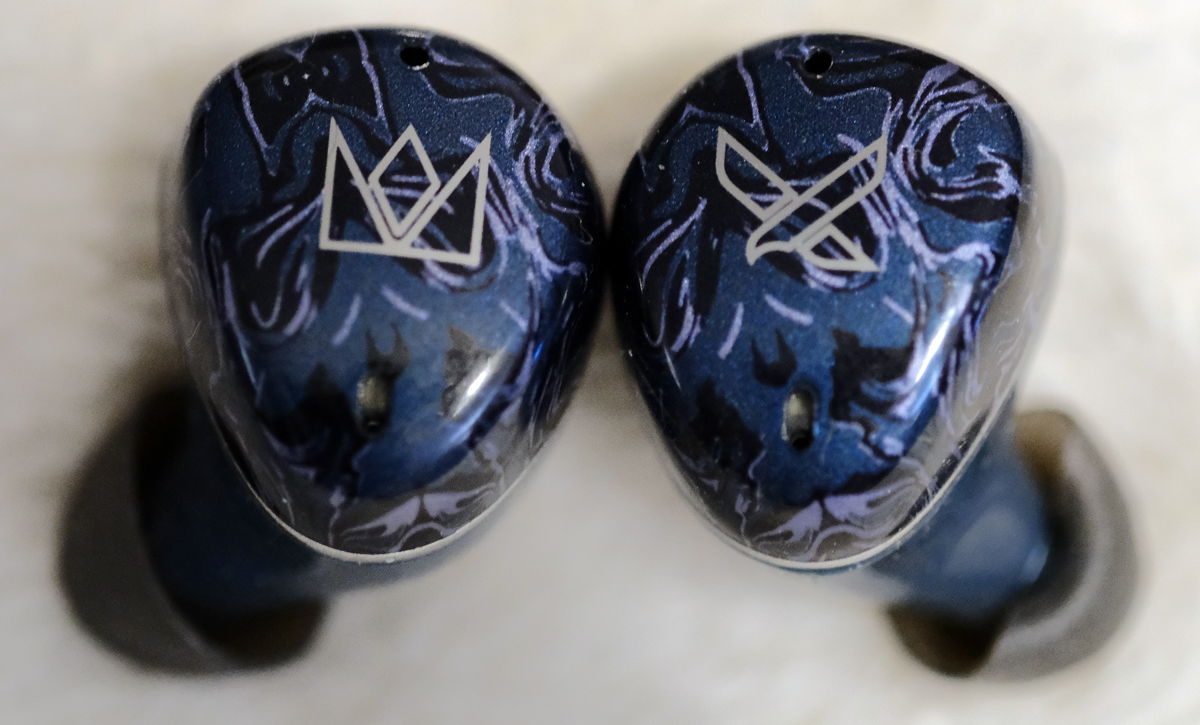
At its heart, the Noble Audio Osprey True Wireless Stereo Earphone is a hybrid dual-driver configuration, pairing a 10mm dynamic driver with a custom balanced armature, with support for high-quality wireless codecs including LDAC.
Built around the Airoha 1571 chipset and supporting Bluetooth 6.0, the Osprey offers Multipoint connectivity and TrueWireless Mirroring allowing for seamless switching between devices.
Active Noise Cancellation and Hearing Through mode are basic features, while the integrated cVc noise reduction technology supports clear voice capture.
Battery life offering up to 7 hours of playback with ANC off and 5 hours with ANC enabled is supplemented by a 500mAh charging case extending total listening time, while a 10-minute quick charge provides approximately 2 hours of playback.
Key Features
Hybrid dual-driver configuration
10mm dynamic driver + custom balanced armature
Bluetooth 6.0 connectivity
LDAC, AAC, and SBC codec support
Active Noise Cancellation (ANC)
Hearing Through / Transparency mode
Multipoint connectivity
TrueWireless Mirroring technology
Dual microphones with cVc noise reduction
Premium aluminum charging case
USB-C fast charging
In appearance, the Osprey most resembles the Noble FoKus Rex except in blue as opposed to green, and with an Osprey emblem replacing the Noble Crown on the right IEM. The charge case measures a tiny 1”x1.5”x2”, easily slipping into your pocket for on-the-go use. For accessories, it comes with the standard Noble velvet carrying bag, a USB-A to USB-C cable, and a full complement of three different style of eartips in three different sizes each, plus the tips that come prefitted.
Living with the Noble Audio Osprey True Wireless Stereo Earphone
Burn-in was fairly simple with the long 7-hour play time, at least twice that I experienced with the similarly priced Status Pro X. Ironically, the first time I used them after break-in was to receive a phone call, where it performed stellarly, offering clear sound on both ends.
I was able to get a good seal with medium silicone tips that came pre-fitted, so I worked with that, leaving the experimentation with the other tips for later. A quick check of my phone settings showed LDAC for music.

Having just watched an interview with Rick Beato and Sean Ono Lennon, I decided to start my listening session with “The Great Parrot-Ox and the Golden Egg of Empathy” (24-bit/96kHz – Qobuz) by The Claypool Lennon Delirium, which Sean described as Prog-Paisly. The sound had a straight from the mixing board quality, especially the bass, which was extremely tight and tuneful. The tonal balance and a neutral feel with a possible bump in the extreme bottom end. The Osprey exhibited significant dynamic range, easily able to reach painful volume levels.
I followed this up with Beth Orton’s “The Ground Above” (24-bit/96kHz – Qobuz); the bass was more resonant than with the previous track, but still fairly quick, the percussion was impactful. Beth’s vocal was very natural, as was the piano in the background. The soundstage was quite large for an offering in this price range. Overall, the presentation was very musical.
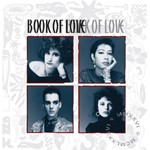
I was next drawn to the eponymous Book Of Love album “Book Of Love (40th Anniversary Edition)” (24-bit/96kHz – Qobuz). Once again, dynamics as well as bass control and speed was the name of the game with that ‘80s stark, clean recording Synth-pop sound. Pure joy.

Diving into Orchestral Vocal Jazz with Cécile McLorin Salvant and the Metropole Orkest conducted by Jules Buckley for “With Every Breath I Take” (24-bit/96kHz – Qobuz). Her magnificent rendition of “Send In The Clowns” was well served by the musicality of the Osprey, intimate in a large hall.
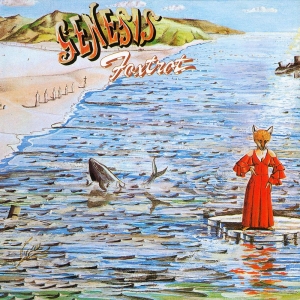
To get a better sense of the tonal balance, I moved to my regular playlist https://open.qobuz.com/playlist/10673532 and “Can-Utility and the Coastliners” (“Foxtrot” – Genesis – 16-bit/44.1kHz – Qobuz) to find the tonal balance to be much flatter than I suspected; rather than emphasized, the bass was laid back, delving deep into the subsonic.
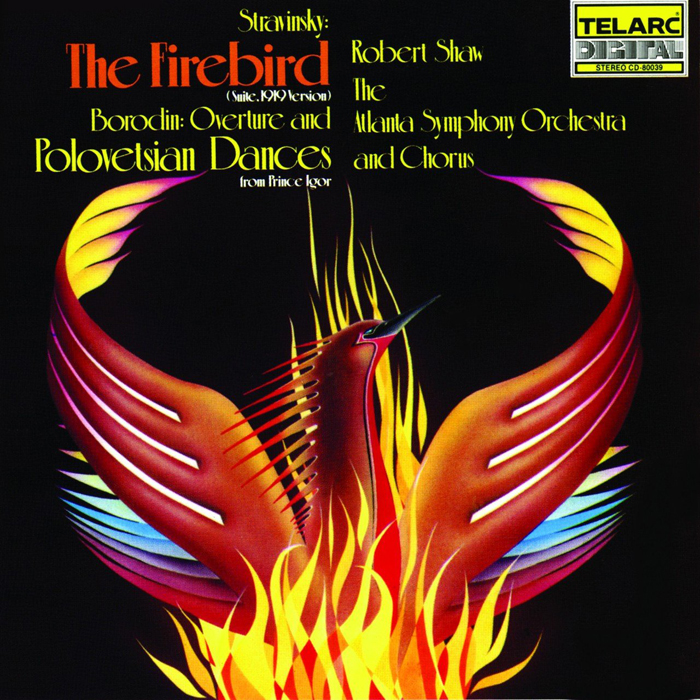
The timbre of the instruments for “The Firebird Suite” (“Stravinsky: The Firebird Suite (1919 Version) – Borodin: Overture & Polovetsion Dances from Prince Igor” – Robert Shaw conducting the Atlanta Symphony Orchestra – 16-bit/44.1kHz – Qobuz) was spot on, making it easy to distinguish the plethora of similar-sounding instruments weaving their melodies together. The whistle of the breath across the flutes, buzz of the reeds, burr of the horns, and hum of the strings all realized. And once again the tympanis had tight impact.

I chose Dean Martin and “Everybody Loves Somebody” (24-bit/96kHz – Qobuz) for a quick tip comparison. Interestingly, I noted at this time that the nozzle barrels had crown-shaped openings. As I have had little luck with double flanges in the past, I just went for the foam tips which had a small screen embedded in them. I had to go to the larger tips to get a seal but oddly didn’t detect any change in sonic presentation. Switching back, there might be a tad more clarity in the midrange, meaning the foam tips might be a bit mellower, but the convenience of the silicone fit due to the unusual shape of my ear canal means they are my preference.
A quick experiment with the ear test EQ in the Nobel FoKus App showed what I determined earlier, that the bass is slightly depressed but not fatally so, and of course you can use the app to correct that if you wish.
Conclusions on the Noble Audio Osprey True Wireless Stereo Earphone
Once again Noble has simply dominated their market segment with the Noble Audio Osprey TWS IEM. To be honest, it sounds better than most wired IEMs I have heard in its price range. Now it does suffer some of the shortcomings of lower-priced TWS: the ANC is noisier than the other FoKus models, offering a slight hiss for ANC, and a much louder his for Ambient mode, but that is a quibble as the noise levels that would necessitate the use of ANC are much greater than that hiss. The tonal balance, speed, soundstage, timbre of instruments, dynamic range, and most especially musicality raise the Osprey to a whole other category of sound from your average TWS regardless of price.
While the Noble FoKus Prestige still holds a special place in my heart due to its gorgeous wood and enamel finish on the charge case and matching pattern on the earpieces themselves, and the FoKus Rex dominates sonically, I think due to its extreme value the Osprey has displaced them as my favorite TWS IEM.
Above all else, the Osprey is pleasurable to listen to, which puts it in rare company indeed.
Price: $199
Manufacturer’s Website: https://nobleaudio.com/products/osprey
Key Specifications
– Hybrid dual-driver configuration (10mm dynamic + custom balanced armature)
– Frequency Response: 20Hz – 40kHz
– Bluetooth 6.0
– Chipset: Airoha 1571
– Supported Codecs: SBC / AAC / LDAC
– Multipoint Connectivity
– Active Noise Cancellation + Hearing Through
– Dual microphones with cVc noise reduction
– Up to 7 hours playback (ANC off) / 5 hours (ANC on)
– 10-minute quick charge = approx. 2 hours playback
– USB-C charging
– Noble Audio app support with EQ and OTA updates
Up to 7 hours playback (ANC Off)
Up to 5 hours playback (ANC On)
10-minute quick charge provides approximately 2 hours playback
500mAh charging case
USB-C charging

Want to join discussion?
Feel free to contribute!