





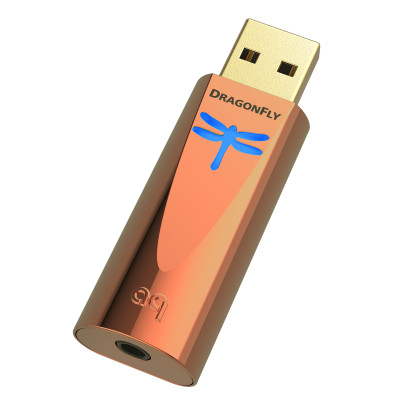
Today, there are an impressive number of options available for casual listeners seeking to upgrade their mobile and desktop sound. Companies like iFi and FiiO are just two companies that maintain a large presence in the budget audio market, each offering several portable DACs similar to the product we are covering today. That’s just scratching the surface. AudioQuest, in partnership with Gordon Rankin, has successfully navigated this segment of audio since first introducing the DragonFly USB dac/preamp/headphone amp in 2012. In the intervening years, the California company has released several iterations of the DragonFly, arguably improving its functionality and sound quality with each step. Both the sales and reviews support the claim. Now, we have the DragonFly Copper (“Copper”) on hand. It has been many years since its predecessor, the DragonFly Cobalt, was released, the Copper being delayed by, among other things, component availability and shifts in the audio world (MQA’s decline, for one).
Design
The Copper, like its predecessors, is simple in both design and function, though it’s actually a complete redesign. The overall physical shape hasn’t changed much; we have the USB-A plug on one end and the 3.5mm jack on the other. It is the best-looking DragonFly, I think, with its polished copper case. Here, AudioQuest took inspiration from their Mythical Creatures line of cable, with their RF-draining copper barrels, giving the Copper both its distinct look and contributing to its smooth delivery. More on the latter, later. Last but not least, the DragonFly indicator light/emblem displays the following color codes (from AudioQuest) :
- DragonFly emblem changes color to indicate playback status and the sampling rate of the file being played: red (standby), green (44.1kHz), blue (48kHz), yellow (88.2kHz), light blue (96kHz)
The included USB A>C tether is the one accessory included in the package, allowing us to connect to iOS and Android phones, tablets, and computers as needed. When it comes to playback, I’ve found that a simple (and intelligent) design often delivers better results. This has always been a product aimed at a larger audience who seek plug-and-play performance and great sound at a reasonable price.
Internally, the Copper is designed around the 32-bit ESS Sabre ES9218. The new, smaller processor allowed for a 25% reduction in power consumption, though the Copper also doubles the output power (2.1 volts) of the previous models. Thank you, Gordon Rankin. His minimalist approach to design means that not only are we getting great sound and reliable performance, but less noise too, which really, means everything.
Listening
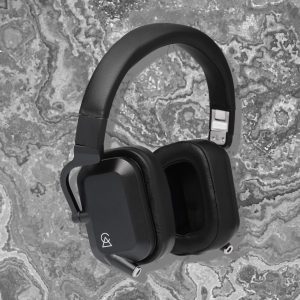
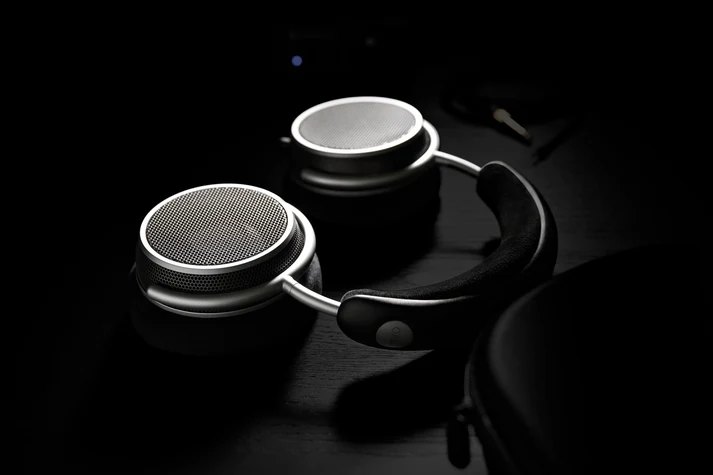
I tested the Copper with an Android phone, MS Surface Pro tablet, and a Windows desktop machine. I had no issues with connectivity, outside of a couple of glitches while connected to my desktop. These were brief dropouts during playback. I attribute that to the machine and my multitasking, not the Copper. All of the devices recognized the DAC automatically. No drivers needed. No fuss. The Dan Clark Audio NOIRE X (94db) and Grell Audio OAE2 (100db) were my primary headphones. Qobuz is the streaming service I use daily. I no longer own any of the older DragonFly DACs; I’m not a collector, so was unable to do any direct comparisons.
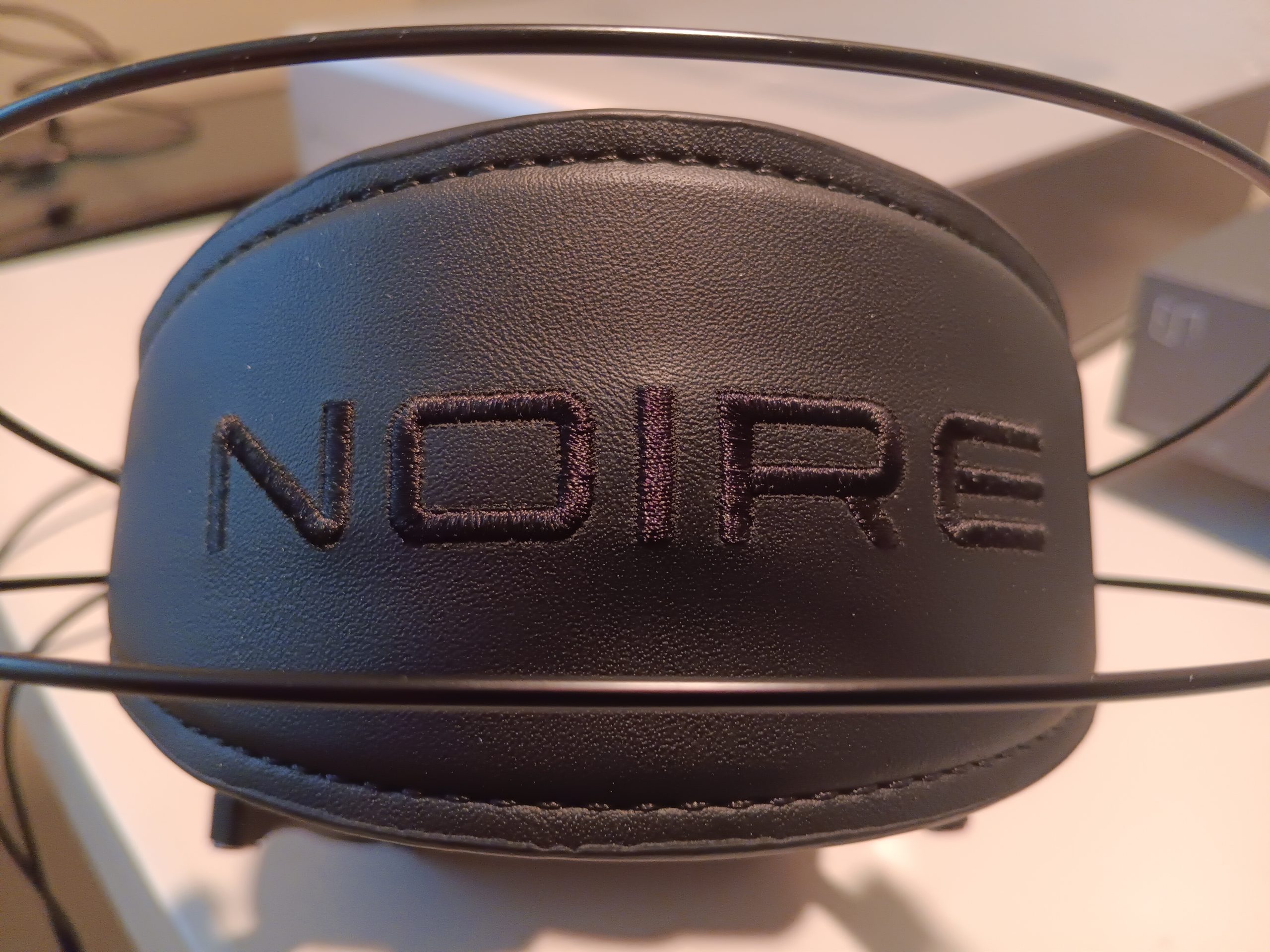
The Copper had no issue energizing either headphone, and I enjoyed both pairings. Both are easy to drive, so no surprise there. The NOIRE X is my favorite middleweight closed-back planar, though I’ve not yet heard the latest from Dan Clark. My time listening was evenly divided between the two. At first blush, the Grell’s (don’t sleep on the OAE2!) 100db sensitivity rating allowed for more bump, more jump. It was the more dynamic pair. No surprise here either. That said, the NOIRE X was equally captivating, if somewhat restrained in comparison. Again, this was expected. The Copper satisfies regardless. I don’t use the word lightly. Satisfaction. Volume is controlled via our devices. I ran the desktop’s volume between 16%-20% for the duration. Certain recordings with wider dynamic range demanded more juice. Point is, the Copper had plenty of power for both headphones.
Overall, the Copper delivered wide bandwidth, engaging dynamics, and a well-balanced sound. When the recording delivered it, low-frequency presence and power were impressive. Resolution too. I trust most of its target audience would be thrilled with its refined sound and competitive performance. Image scale wasn’t huge, but it wasn’t lacking either. I mean, there wasn’t a time while listening where I felt like the aperture through which I hear/see the stage was overtly compressed or bound. Dynamic contrast is something I’m attuned to, and the Copper did not disappoint. I attribute this in part to a reduction of distortion within the circuit itself. Image depth and specificity were impressive. This is further enhanced, I think, by the copper case’s inherent ability to reduce RF noise. Enjoy the quiet. Transients were handled with quiet confidence. By that I mean stick definition was articulate but not hyped. Instruments had weight. Mass. Tone and timbre were convincing, weighty but without bloat and on the level with the rest of our precious playback attributes. Refined. You’re gonna see this word again, I think. All of those attributes by which we measure a component were tastefully balanced. I really wanted to listen more. And I did. This review took longer than planned, and while there were certain external influences at play, I often found I just wanted to sit back and navigate my ever-growing Listening.no1 playlist on Qobuz.
Summing
I have to say that while neither the fit and finish nor sound quality surprised me – AudioQuest products rarely disappoint – I enjoyed sitting with the Copper even more than I expected. They have continued to refine this line over the years; the result of this design team’s depth of experience, along with Gordon Rankin’s design approach, make the Copper an easy recommendation for anyone wanting to up their mobile hi-fi game while avoiding the complexity that many similar products carry with them. There are many worthy competitors on the market today. Discerning listeners take note: the DragonFly Copper is one carefully tuned portable DAC.
Field Notes
“Bag Lunch”, from Aesop Rock‘s “I Heard It’s a Mess There Too” is a minimalist mix, mirroring much of his catalog, and the Copper delivers everything I’d expect or want. The vocal is dry, close, and the beat dominates. The bass twists around the downbeat, the organ part set back a bit by reverb, creating subtle atmosphere. AR’s text and delivery are front and center, as it should be. Quick wit, deep crafting skills, and good humor.
Duke Ellington – “Satan Takes a Holiday” – “Duke Ellington at the Bal Masque“
I love these old recordings. They sure didn’t mess about, the performers or engineers. There’s so much punch, color, and bounce. Transients are clean. The brass and woodwinds are each well represented within the group.


Brad Mehldau Trio – “Black Hole Sun” – “Brad Mehldau Trio Live“
All the nuance and interplay in this epic interpretation of the Soundgarden song is on display. Grenadier’s bass is string and body, deftly balanced. Just so. Mehldau’s piano and Ballard’s drums are each faithfully rendered, if I’m to compare this to the countless sessions listening to this recording with more accomplished systems.
Melvins – “Queen” – “Stoner Witch”
There’s impressive dynamic punch for a DAC in this class. The drums are appropriately huge. Mass. I really dig the tonal balance with the Copper and the OAE2 in line. The song feels like it should. Big and colorful.


Gary Clark Jr. – “Catfish Blues” – “Gary Clark Jr. Live”
Bass guitar presence. This is a decent live recording, as far as sound quality is concerned. Vocal and guitar are exceptional, which makes some sense, but the bass and drums are not on the same level. That said, the performances are fantastic. The Copper elevated the rhythms of the track, reinforcing my thoughts about dynamics being the thing that must be preserved over all else. If you can’t feel it, who cares?
Johnny Hodges – “I Didn’t Know About You” – “The Complete Verve Small Sessions”
This remarkably clean recording was laid bare by the Copper. Hodges horn is an engaging blend of breath and body. The smallest of transients were present. Impressive resolution is on offer, though we shouldn’t expect top-tier insight, of course. Still, I think this speaks to the DACs quiet nature, among other things. AudioQuest claims a significant reduction in distortion here, and it can be felt. This is key for a device you might plug into a front-mounted USB port on a noisy desktop.

Specs
Materials and Design
DAC Chip: 32-bit ESS Sabre ES9218
Features and Performance
Output: 2.1 volts
Mobile Compatibility
Apple iOS; Android
Desktop Compatibility
Windows; Apple; Linux (no technical support provided)
Volume Control
Phone, tablet, or computer controls the output level
Included Accessories
DragonTail A to C Adaptor
Manufacturer Site: https://www.audioquest.com/
DragonFly Copper – $250: https://www.audioquest.com/products/dragonfly-copper

Want to join discussion?
Feel free to contribute!