





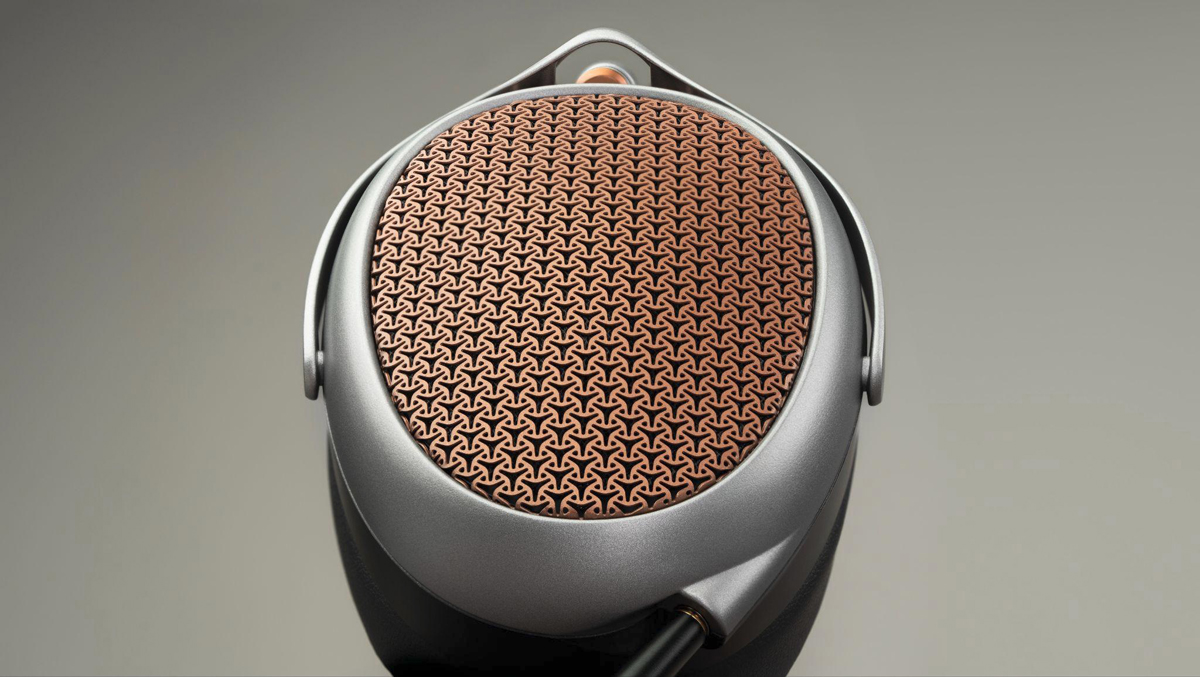
Romania’s Meze Audio has been at it now for fifteen years, designing and maintaining a remarkable line of dynamic and planar magnetic headphones known for their exemplary sound, design, comfort, and serviceability. In their early days, I had a chance to spend a short time with the 99 Classics and owned the 109 Pro for a time. Both are fine headphones, and I enjoyed my time with them, the 109 Pro in particular. More recently, I had the opportunity to sit with their Poet, the most recent and least costly addition to their open-backed planar line, currently listed at $2000.
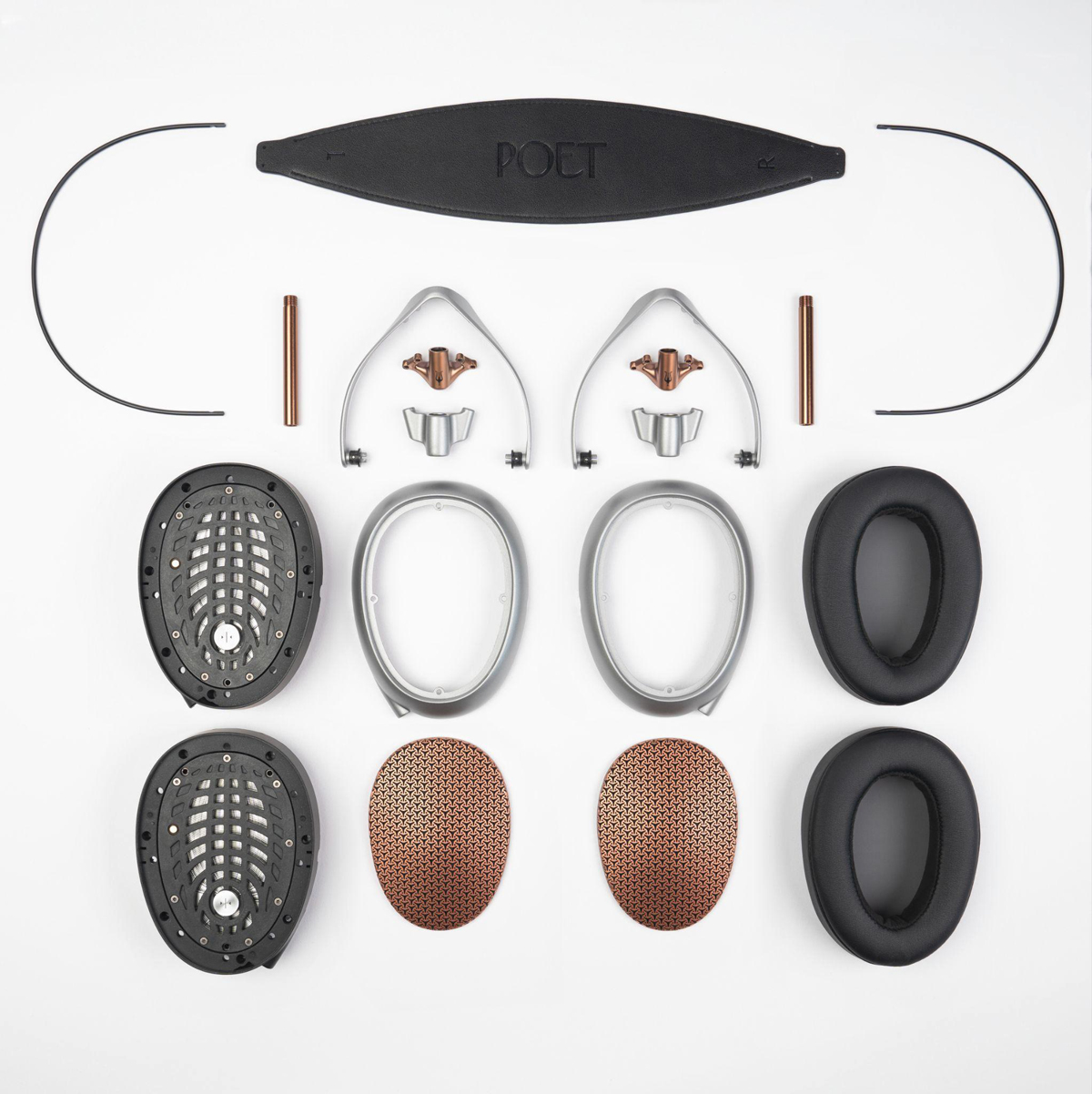
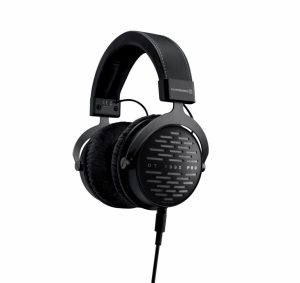
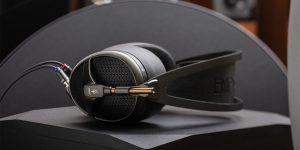
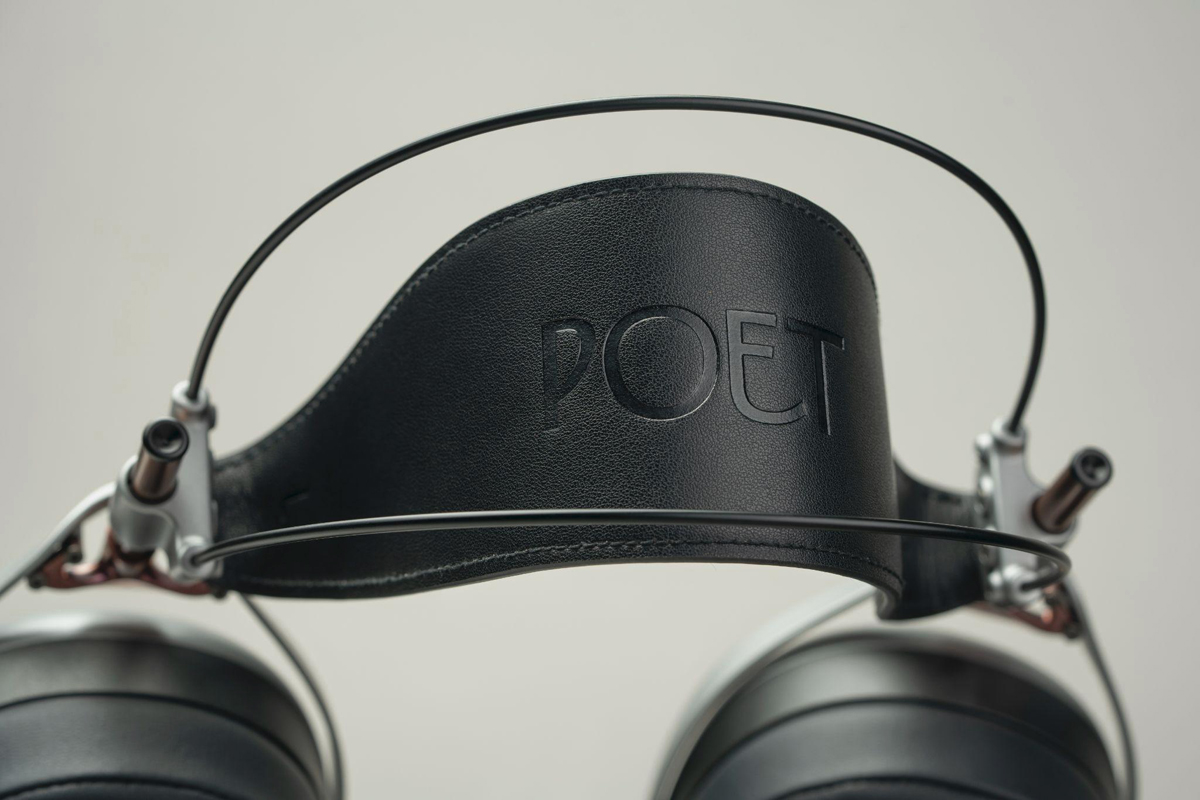
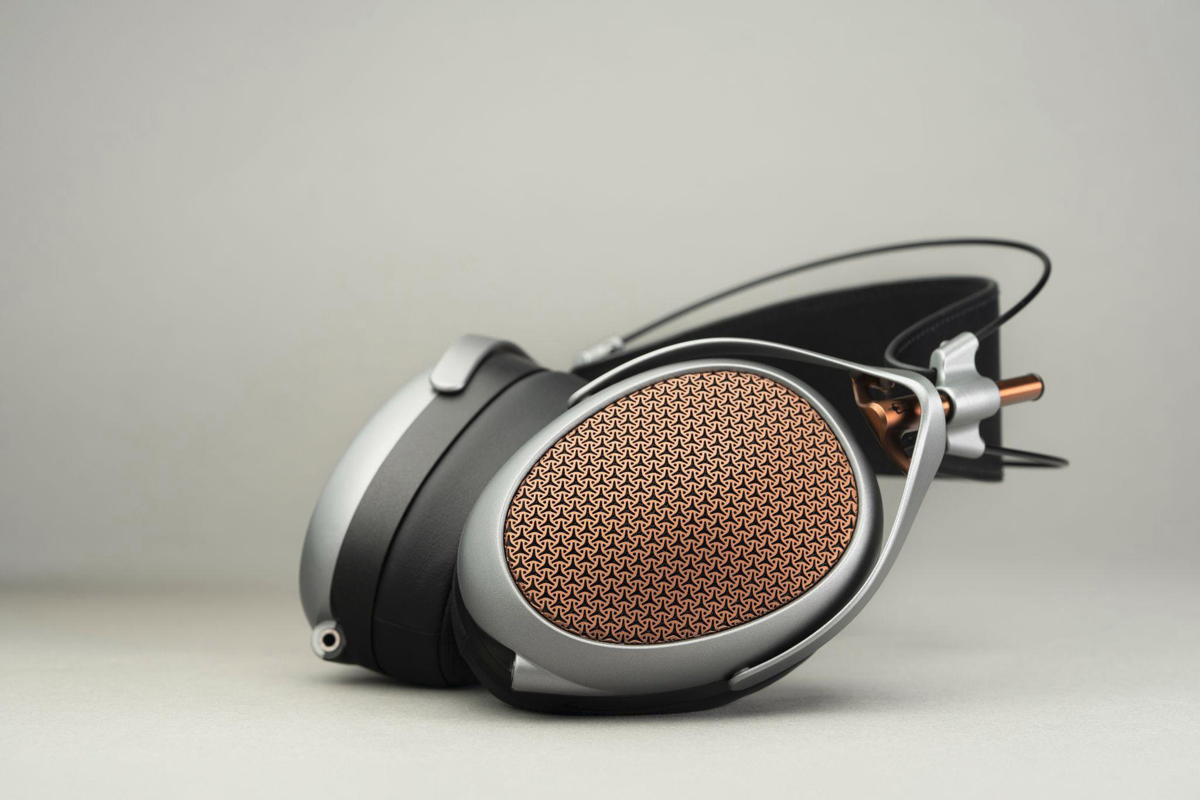
Built around the Rinaro Isodynamic® Hybrid Array MZ6 driver, and measuring 92mm x 63mm, the Poet matches the more compact design of Meze’s closed-back, Liric. In addition, they have licensed the use of Dan Clark Audio’s AMTS system to further shape the Poet’s voice. Its magnesium chassis, steel grille, suede headrest, and titanium alloy headband all lend to the handsome aesthetic, durability, and relative light weight (405g) of this middleweight planar. The magnetic pads are easily replaced and very comfortable. The Poet is also easy to drive (101 dB SPL/mW at 1 kHz / 55ohm), so doesn’t require a lot of muscle to get up, though, as always, system synergy is key.
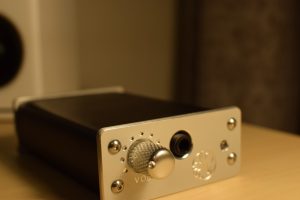
The headphone is quite comfortable. I do appreciate this more compact design, but the smaller ear cups and pads just fit my ears. This is not an issue, but those with large ears take note. The cozier fit certainly matches its overall sound. Meze’s premium copper cable’s design (3.5mm headphone connectors and 6.3mm amp end) and length (2.5m) are excellent for my purposes here at the desk. I ran the Poet for quite a long time before getting in deep. Initially, they sounded somewhat diffuse, hazy, and congested. This review unit needed to see some play before we got into it. I’m using the Eversolo DMP-A6 (v1) as a dedicated streamer, feeding the Schiit Yggdrasil (v1+Analog2+gen5USB) via USB and the Enleum AMP-23R as the driver. AudioQuest power products and cable tether it all to the ground
Listening
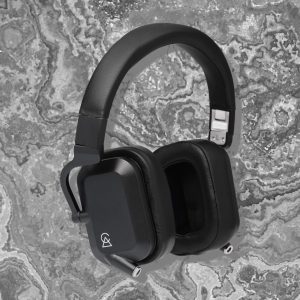
The acoustic space has a great influence on a headphone’s voice, on how we hear it. In this instance, the smaller cups and pads bring everything in. There is a low-mid emphasis, perhaps a result of the high-frequency tuning, that can make this a more cozy listen. Everything is there on stage, only it’s not floodlit. This overall character is not unlike the Shanling HW600 ($1100), though that open-back planar has a larger driver and acoustic. Their ear pads’ conical interior is closer to what Audeze currently offers. Its driver design also offers more torque and a larger image overall, the larger pads providing space for the high frequencies to breathe. The Poet’s a more sophisticated and subtle voice, more fleet of foot, dynamic expression offering fluidity, in contrast to the HW600’s more muscular sound. The Poet delivers fine texture and an engaging physicality that extends to the high frequencies. The stage is deeper than it is wide or tall, its ceiling lower. This driver is state-of-the-art; they’ve simply implemented it within a design that prioritizes something other than scale and extreme reach. Generally, the listening experience is not unlike sitting with the recently reviewed Shanling headphone, though with further refinement in all aspects – sonics, design, comfort, and sustainability.
It’s not uncommon to hear the idea that, in listening to loudspeakers, the room is the most important component. It’s the same for headphones. The acoustic space is much smaller, of course, but the same principles apply. The size and shape of this chamber created around our
ears, impacts our listening experience. The materials the pads are made of, their shape, contact surface, and clamping force each influence the headphone’s character. The shape of our head and ears also come into play. Meze’s own angled Alcantara pads, currently limited to the Elite and Empyrean, provide an opportunity to tune. To these ears, the Poet’s image shape, depth, and color, combined with compelling dynamics, evokes the now-vintage AudioQuest Nighthawk Carbon (big fan here) open-back headphone, though in a more accomplished design.

“Out of the Black”, by Royal Blood, is grounded, punchy, raucous, and tight. With the Poet in line, the guitar’s teeth are slightly worn; in contrast, the HW600 offered more bite and kick drum slap. A bit more of the beater in the mix. There’s plenty of power here in the Poet; the guitars are weighty, and drums deliver body blows. The Shanling’s wider image placed the guitars farther away from center and retained their tone and weight. The Poet is a more subtle beast. Of course, the subtly attenuated high frequencies push the image back a couple of steps. Boosted high frequencies tend to collapse the stage. Cymbals lack some sizzle but have remarkable texture when the recording demands it. These are small steps, though I’m working here to illuminate the differences.
If you are a listener who enjoys jazz and modern improvised music, for example, and want some distance between you and the group, the Poet may satisfy. Of course, this presentation affects all music, regardless of genre. If the pop and rock mixes that rely on more aggressive production methods are common fare, you may find its delivery overly relaxed, or in some cases, like MGMT’s “Time to Pretend”, further highlighting upper-mids adding a touch of congestion to the sound, though this is subtle, only increasing at higher SPLs.
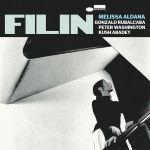
Well-recorded acoustic instruments and voices sound grounded and natural. This tuning, combined with the Poet’s nimble dynamic expression, brings attention to the performances. Melissa Aldana’s latest, “Filin”, is a good example. The track “Imagenes” is an intimate tune. Here, again, transients are softer, the focus on breath and body, away from edges, yet the bass has a beautiful tone and solid structure. The Poet retains a strong grip regardless of the music.
Switching, for a short time, from the USB output feeding the Yggdrasil to the DMP-A6’s internal DAC provided perspective. The Eversolo’s internal DAC (based on the ES9038Q2M)
is a touch leaner in comparison, so high-frequency energy woke up, tilting the Poet’s sound upward and sharpening transient attack. I am wishing I had access to the now-discontinued Aurorasound HEADA headphone amplifier. This Japanese-built solid-state gem delivered on all points and had a relatively linear, blissfully quiet, and deftly tuned voice that I imagine would pair nicely with the Poets.

Those who are committed to classical music, who look for a deeper stage and a seat in the back, may want to find time for the Poet. Here, each section gains unity and enhanced group dynamics versus a more clinical view of each instrument/player. The Poet may not illuminate that the first chair oboe’s pants are too tight. That said, image specificity is excellent, and again, dynamic expression is remarkable. Perhaps this is more of an impressionist (though only slightly) image, yes, but no less engaging. Listening to Stravinsky’s “The Firebird” illustrates this well enough. Instrument timbre and texture are convincing, image specificity well-balanced with group dynamics. Bass drum strikes are, again, body blows.

One hifi hangup of mine relates to (though not limited to) early jazz recordings and the forced stereo mixes that often followed their original mono releases. When listening in a room with 2m-3m between the listener and the loudspeakers, the hard panning of John Coltrane and his sax isn’t as much of a problem. With headphones, say, on the stereo mix of “A Love Supreme“, his horn is blowing directly into our left ear. It’s distracting, and with improvised music in particular, I’m looking to experience the group dynamic. Mono mixes deliver on this (primarily on vinyl, but this more recent mono reissue via Qobuz is very nice), both between two speakers and headphones, so are the preferred path to an intense listening experience. I know…don’t be mad…point is, the Poet is an exceptional vehicle for a more deeply felt, less analytical listen. The Meze puts us in the back of the studio (or club), and has the agility to keep up with these superb performers. During “Pt. III – Pursuance” I was suitably thrilled (slightly frightened) by the passion and power of Elvin Jones’ performance alone, not to mention the others. As it should be. What it must have been like to be in the room with this band…
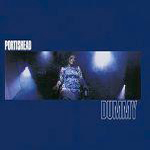
Of course, following this thread leads me to Portishead’s “Dummy”. You’ve likely heard at least some of this record, originally released in 1994. Let’s, for a moment, set aside that, in the decades since it’s been overworked by some, neglected by others. More interesting for this listener, and in this context: Have you noticed that it’s primarily a mono mix? Check it out. While we’re here, let’s talk about “It’s a Fire”, where all tracks are in mono except the organ. The Poet gives Beth Gibbons’ voice more body, sibilance is diminished, the bass rounder, and the drums set back some. Again, colors are a touch more saturated, the organ has a more burnished glow than shimmer, but the rhythm section hasn’t lost a step.
Summing
If you are looking for a luxury headphone in this range that offers fine design, solid build, exceptional comfort, and sustainability, the Poet should be on the list for audition. Texture and tone are fantastic, across the spectrum. In comparison to similar designs, its center of gravity is lower, and somewhat contained by its smaller driver, earcup, and pad design. Resolution is on a par with others in this category, and dynamic expression is agile, refined, and consistently delivers the feel of our favorite performances, regardless of the fare. Meze has a sophisticated voice in the Poet.
Manufacturer Site: https://mezeaudio.com/
Price:$2,000
SPECIFICATIONS
| OVERVIEW | MZ6 DRIVER | ||
| Driver Type | Rinaro Isodynamic® Hybrid Array MZ6 | Geometrical Shape | Ovoid |
| Operating Principle | Open-back | Size | 92 mm x 63 mm |
| Ear Coupling | Circumaural | Driver Weight | 73 g (2.5 oz) |
| Frequency Range | 4 Hz – 96 kHz | Casing | Fiberglass reinforced polymer |
| Impedance | 55 Ω | Diaphragm Type | Rinaro Parus® [MZ6] |
| Sensitivity | 101 dB SPL/mW at 1 kHz | Active Area | 3,507 mm2 |
| Maximum SPL | >130 dB | Diaphragm Weight | 0.06 g |
| Total Harmonic Distortion (THD) | <0.05% | Acoustic Mass | 6.5 kg/m4 |
| Weight | 405 g (14.29 oz) | Lower Frequency Limit | 4 Hz |
| Input Connector | Dual 3.5 mm TS Jack | Upper Frequency Limit | 96,000 Hz |

Want to join discussion?
Feel free to contribute!